For decades, the double-shot espresso has been the undisputed king of the morning ritual. It’s fast, intense, and provides that immediate chemical "kick" required to start the workday. However, a shift is occurring in the wellness and biohacking communities. High-performers are trading their portafilters for 4-in-1 mushroom coffee blends.
This isn't just a culinary trend; it is a transition based on neurological and metabolic science. By moving away from "single-molecule stimulation" (caffeine) and toward "multifunctional adaptogens," coffee drinkers are finding they can achieve better focus without the biological tax of traditional espresso.
The Espresso Erosion: Why High-Caffeine Rituals are Losing Ground
Traditional espresso is a sledgehammer to the central nervous system. While a single shot contains roughly 63mg of caffeine, the rapid extraction process often leads to a high concentration of chlorogenic acids and a sudden spike in systemic absorption.
The Spike and Crash: How Traditional Espresso Affects Cortisol
When you consume a concentrated espresso, your body triggers a "fight-or-flight" response. This stimulates the adrenal glands to release cortisol and adrenaline. While this feels like energy, it is actually a stress response. Over time, chronic cortisol spikes can lead to adrenal fatigue, mid-afternoon energy crashes, and disrupted sleep patterns.
Beyond the Buzz: The Limitations of Single-Molecule Stimulation
Caffeine is a mimic. Its primary mechanism is blocking adenosine receptors in the brain. Adenosine is the neurotransmitter responsible for telling your body it’s tired. By "plugging" these receptors, caffeine doesn't actually give you energy; it just prevents you from feeling your exhaustion. When the caffeine eventually detaches, a "flood" of accumulated adenosine hits the brain all at once—resulting in the classic 2:00 PM crash.
Decoding the 4-in-1 Blend: What Makes Mushroom Coffee Superior?
The "4-in-1" designation typically refers to a synergistic blend of four powerful functional mushrooms: Lion’s Mane, Cordyceps, Chaga, and Reishi (or Shiitake). Unlike espresso, which relies on a single stimulant, this blend works through several biological pathways.
Lion’s Mane: Stimulating BDNF for Neuroprotection and Memory
Lion’s Mane (Hericium erinaceus) is the star of the nootropic world. It contains hericenones and erinacines, compounds that stimulate the production of Brain-Derived Neurotrophic Factor (BDNF).
According to a study published in the Journal of Agricultural and Food Chemistry, Lion’s Mane promotes neurogenesis—the growth of new neurons—which improves long-term memory and cognitive clarity rather than just providing a temporary "buzz."
Cordyceps: Natural ATP Production for Physical Stamina
While caffeine tricks the brain into feeling energized, Cordyceps actually increases the body's production of ATP (adenosine triphosphate). ATP is the primary energy currency of your cells. By improving oxygen utilization, Cordyceps provides physical stamina that is "clean" and does not cause heart palpitations.
Chaga and Shiitake: The Antioxidant Powerhouse for Immune Resilience
Espresso can be oxidative and acidic. Chaga, known as the "King of Mushrooms," has one of the highest ORAC (Oxygen Radical Absorbance Capacity) scores in the world. This helps neutralize the oxidative stress caused by daily life, turning your coffee from a stressor into an immune-supporting tonic.
Mushroom Coffee vs. Espresso: A Comparative Analysis of Energy
To understand why "The Switch" is so effective, we must look at how these beverages behave over an 8-hour workday.
| Feature | Morning Espresso | 4-in-1 Mushroom Coffee |
| Primary Mechanism | Adenosine Receptor Blocking | ATP Production & BDNF Stimulation |
| Energy Curve | Sharp Peak / Sharp Drop | Sustained Plateau |
| Cortisol Impact | High (Triggers Stress) | Balanced (Regulates Stress) |
| Cognitive Benefit | Temporary Alertness | Enhanced Memory & Neuroplasticity |
| Digestive Impact | Highly Acidic / Laxative | Alkalizing / Prebiotic Support |
Jitter-Free Focus: How Adaptogens Buffer the Caffeine Hit
Most 4-in-1 blends use a base of organic Arabica but at a lower caffeine concentration. The presence of Reishi or L-Theanine (found in mushroom blends) acts as a "buffer." It smooths out the jagged edges of the caffeine, allowing for "flow state" focus rather than frantic, jittery activity.
Digestive Health: The Alkalizing Effect
Espresso has a pH of around 5.0, making it highly acidic and often irritating to the gut lining. Functional mushrooms are naturally alkalizing and rich in beta-glucans—polysaccharides that act as prebiotics, feeding the "good" bacteria in your microbiome.
The Biohacking Benefits of Making "The Switch"
Switching to a 4-in-1 blend is a form of "passive biohacking." You aren't adding a new step to your day; you are simply optimizing a ritual you already perform.
- Regulating the Nervous System: Adaptogens help the body maintain homeostasis. If you are too wired, they help calm you; if you are too tired, they help lift you up.
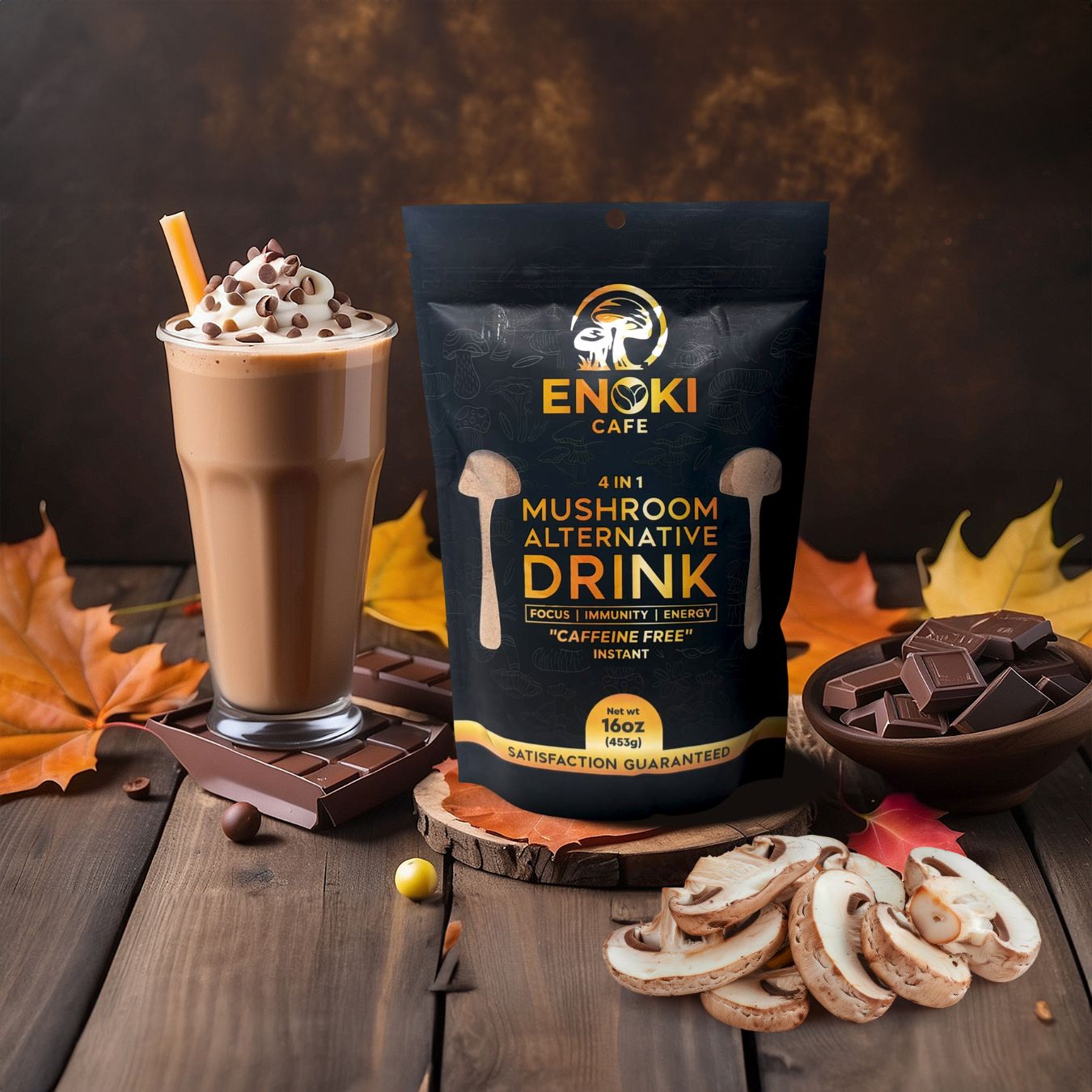
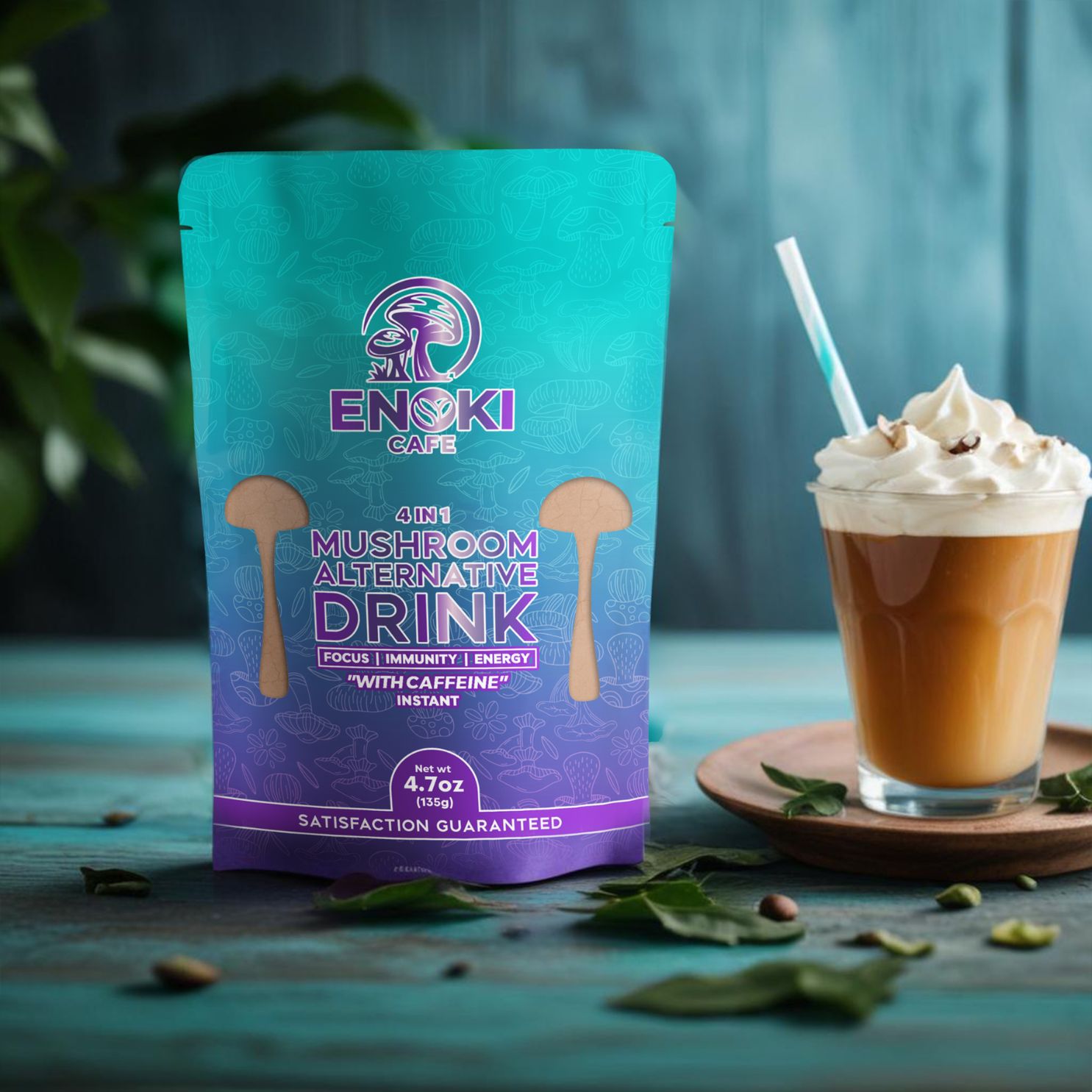
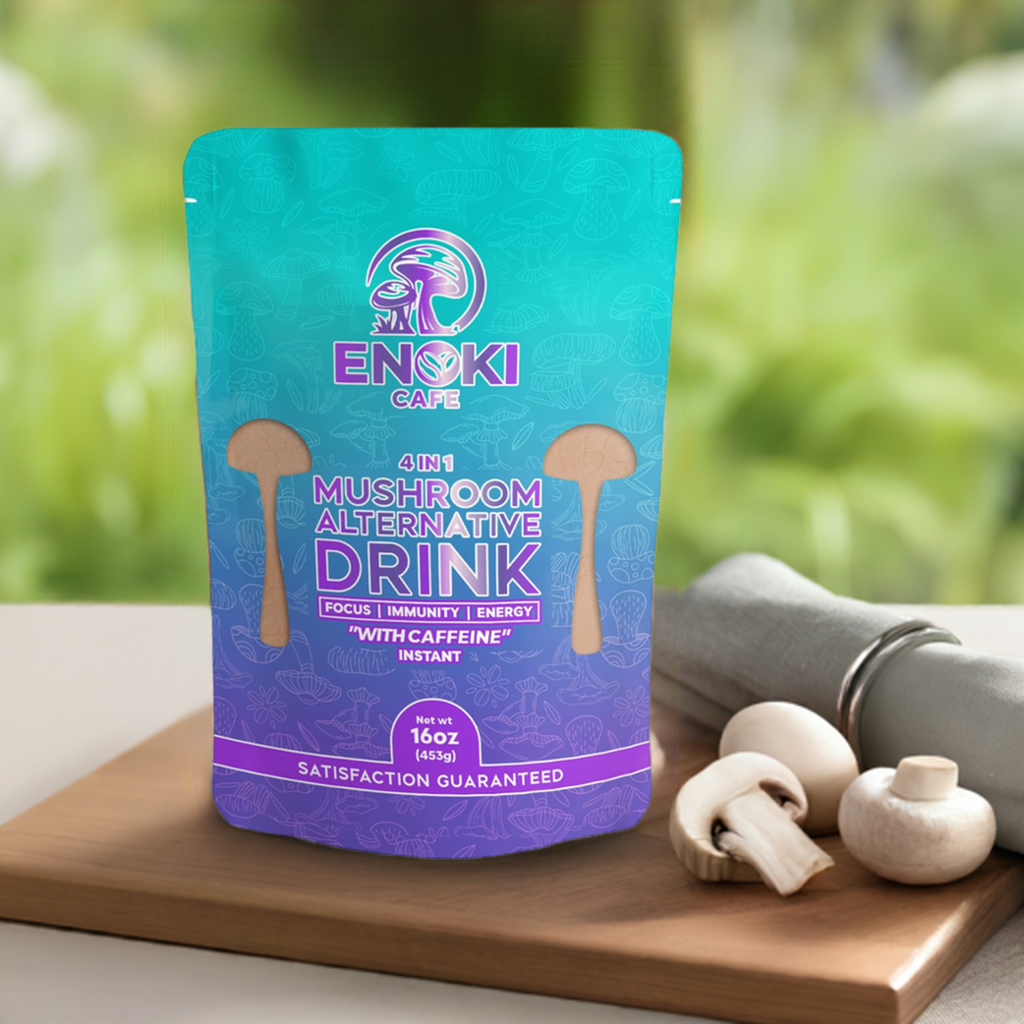
- Fruiting Body vs. Mycelium: It is vital to choose a blend like Enoki Cafe’s 4-in-1 that uses 100% fruiting bodies. Mycelium is often grown on grain, meaning the final product is mostly starch filler. Fruiting bodies contain the actual medicinal compounds needed for cognitive shifts.
- Long-Term Brain Health: Chronic espresso consumption does little for brain health. Conversely, the cumulative effect of Lion's Mane and Chaga supports long-term neuroprotection against age-related decline.
How to Transition from Espresso to a 4-in-1 Functional Blend
If you are a 3-shot-a-day espresso drinker, a sudden switch might trigger caffeine withdrawal. Here is the recommended "Science of the Switch" protocol:
- The "Bridge" Phase (Days 1-3): Replace your second espresso of the day with a 4-in-1 Mushroom Coffee. This maintains your ritual while introducing adaptogens.
- The "Full Swap" (Days 4-7): Replace your morning espresso entirely. If you miss the "bite" of espresso, prepare your mushroom coffee with less water to create a "functional ristretto."
- The Optimization: Add a NeuroBloom Tonic to your cup for an extra boost of Ginkgo and Bacopa on high-intensity workdays.
Frequently Asked Questions About 4-in-1 Mushroom Coffee
Q: Does 4-in-1 mushroom coffee actually taste like mushrooms?
A: No. High-quality blends use dual-extracted mushrooms that have a neutral, earthy profile. When blended with premium Arabica, it tastes like a smooth, dark-roast coffee with a hint of umami.
Q: Can I drink mushroom coffee if I have a sensitive stomach?
A: Yes. Because functional mushrooms help balance the acidity of coffee beans, most people find it much easier on the digestive tract than traditional espresso.
Q: Is it safe to combine with other supplements?
A: Generally, yes. Mushroom coffee is a whole-food-based supplement. However, if you are taking blood thinners or immunosuppressants, you should consult with a healthcare professional due to the potent immune-modulating effects of Chaga and Reishi.
Upgrade Your Morning Ritual with Enoki Cafe’s Signature 4-in-1 Blend
The evidence is clear: while espresso offers a temporary loan on energy, 4-in-1 mushroom coffee provides an investment in your long-term cognitive and physical health. By making "The Switch," you aren't giving up your morning ritual—you are evolving it.